The Allure of Risk and Reward
The excitement of gambling often stems from the intrinsic allure of risk and reward. Players are drawn to the potential for significant financial gain, fueled by the hope that they might experience a life-changing jackpot. This interplay of risk and reward activates the brain’s reward centers, releasing dopamine, a neurotransmitter linked to pleasure and motivation. This chemical reaction can create a powerful psychological drive that encourages players to take risks they might otherwise avoid in their daily lives. In this context, many are seeking a casino not on gamstop uk as an alternative to traditional options.
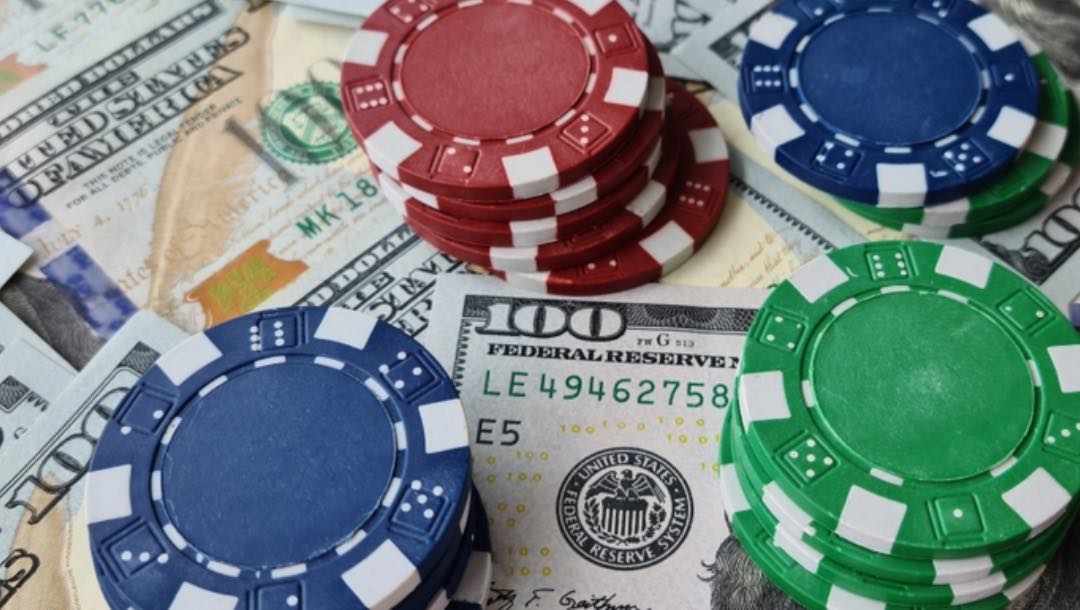
Furthermore, the thrill of uncertainty amplifies the desire to place bets. The unpredictable nature of gambling creates a sense of adventure, making each game feel like a new opportunity. The combination of anticipation and excitement keeps players returning to the table or slot machine, hoping to replicate past wins or find new fortunes.
The Role of Social Interaction
Casinos are social environments that enhance the gambling experience. Engaging with others, whether through competitive play or casual conversations, adds a layer of enjoyment that stimulates many players’ psychological motivations. The camaraderie formed during games or shared experiences can provide emotional reinforcement, making the act of gambling feel less isolated and more communal.
Moreover, the presence of other players can create a sense of excitement and urgency. The shared experience of wins and losses in a bustling casino can drive individuals to bet more liberally, as group dynamics often encourage risk-taking behavior. This social aspect can significantly influence a player’s decisions, leading to a more immersive gambling experience.
The Illusion of Control
Many gamblers fall prey to the illusion of control, believing that they can influence the outcomes of games based on their knowledge or strategies. This cognitive bias can lead players to engage more frequently, as they convince themselves that their decisions will yield favorable results. Such beliefs are particularly common in games like poker, where players feel their skills can sway the game in their favor.
This psychological tendency can lead to overconfidence, as individuals may wager more than they initially intended, believing their expertise will protect them from losses. Unfortunately, this often leads to unexpected outcomes, reinforcing a cycle of betting driven by misplaced confidence.
The Impact of Environment and Design
The design of casinos plays a crucial role in stimulating gambling behavior. From the layout of gaming floors to the sounds and lights used to draw attention, every aspect is meticulously curated to keep players engaged. Bright colors, engaging sounds, and enticing visuals create an atmosphere that encourages prolonged play and distracts from the passage of time.
Additionally, the absence of clocks and windows reinforces a sense of escape, allowing players to lose track of time and feel immersed in the gambling experience. This carefully constructed environment heightens emotional responses, making it easier for individuals to forget about their limits and continue betting in pursuit of excitement.
Conclusion and Reflection on Support Resources
Understanding the psychology behind gambling is crucial for both players and those around them. Recognizing the emotional and psychological factors at play can help individuals make more informed decisions when engaging with casinos. As exciting as the experience may be, it is essential to remain aware of one’s limits and the potential risks associated with gambling behavior.
For those struggling with gambling-related issues, it’s vital to seek support and guidance. Resources and support systems are available to assist individuals and families in navigating these challenges, ensuring that the allure of casinos does not overshadow personal well-being. Engaging with these resources can provide valuable insights and help foster healthier attitudes towards gambling.